Featured
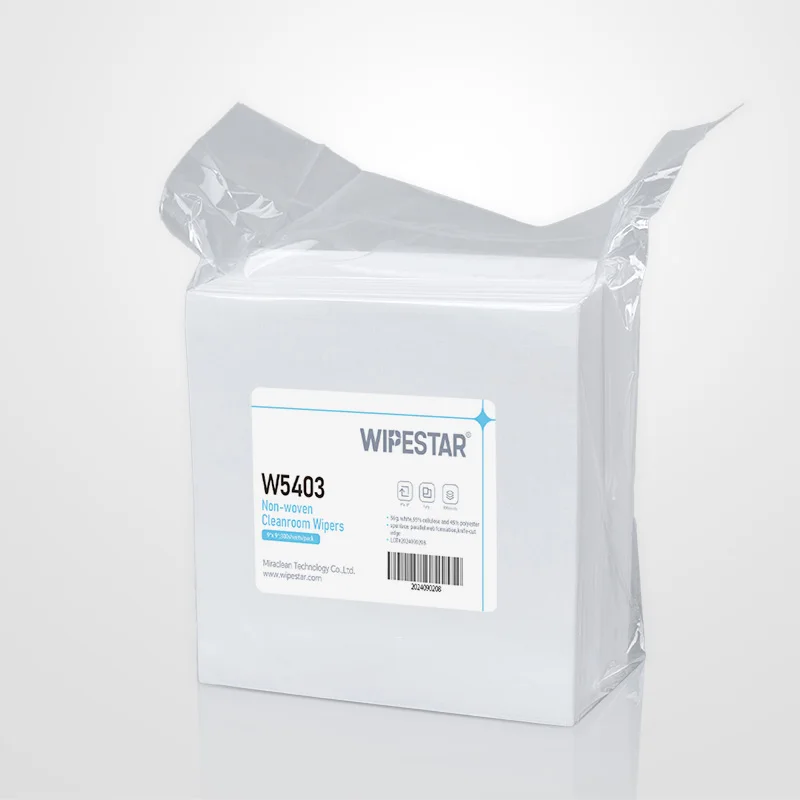
W5403 Non-woven Cleanroom Wipers
W5403 is a parallel-laid cellulose / polyester wiper cut to 23 × 23 cm (9 × 9 in), with a cut edge. The blend absorbs ...
The collection
Polyester, microfiber and cellulose cleanroom wipers with sealed or cut edges for ISO Class 3–8. Flat sheets, small formats and perforated rolls.
Also explore Wiping papers Disposable wood-pulp papers when a cloth is more than the job needs.
Featured
W5403 is a parallel-laid cellulose / polyester wiper cut to 23 × 23 cm (9 × 9 in), with a cut edge. The blend absorbs ...
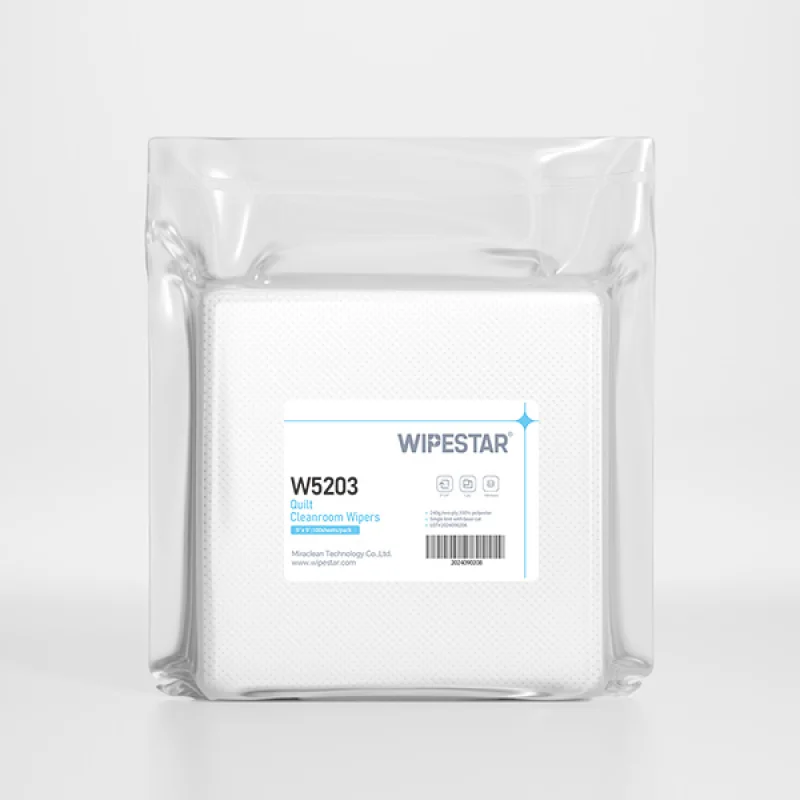
W5203 is a 2-ply quilted polyester wiper, with a laser-sealed edge. The embossed structure adds bulk and wet strength,...
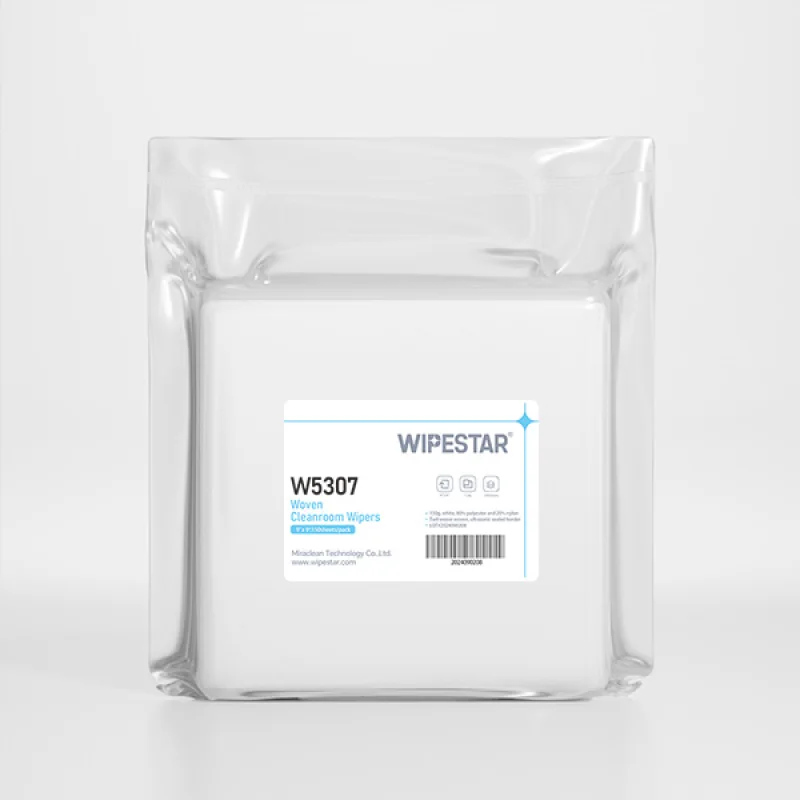
W5307 is a woven polyester/nylon microfiber wiper, with an ultrasonic-sealed (wide border) edge. The woven structure r...
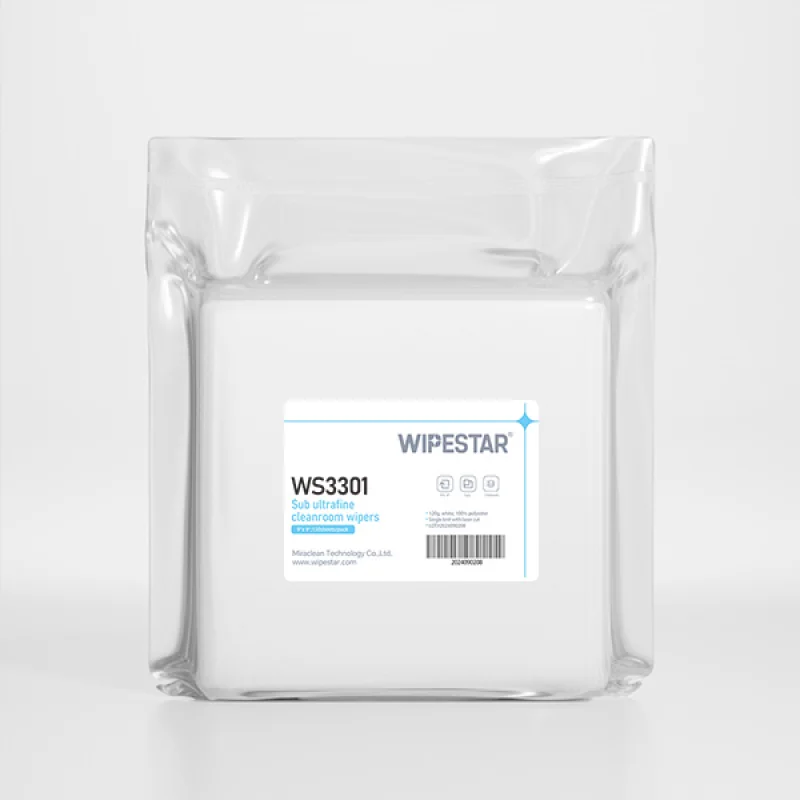
WS3301 is a single-knit submicrofiber polyester wiper, with a laser-sealed edge. The very fine fiber gives a soft hand...
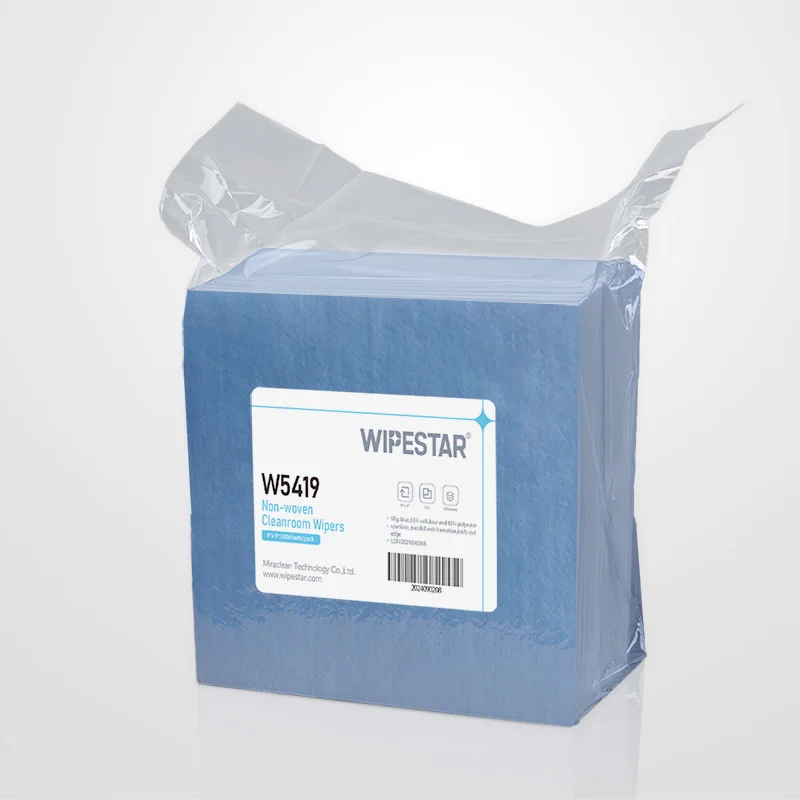
W5419 is a 55/45 parallel-laid cellulose / polyester wiper cut to 23 × 23 cm (9 × 9 in), with a cut edge. The blend ab...
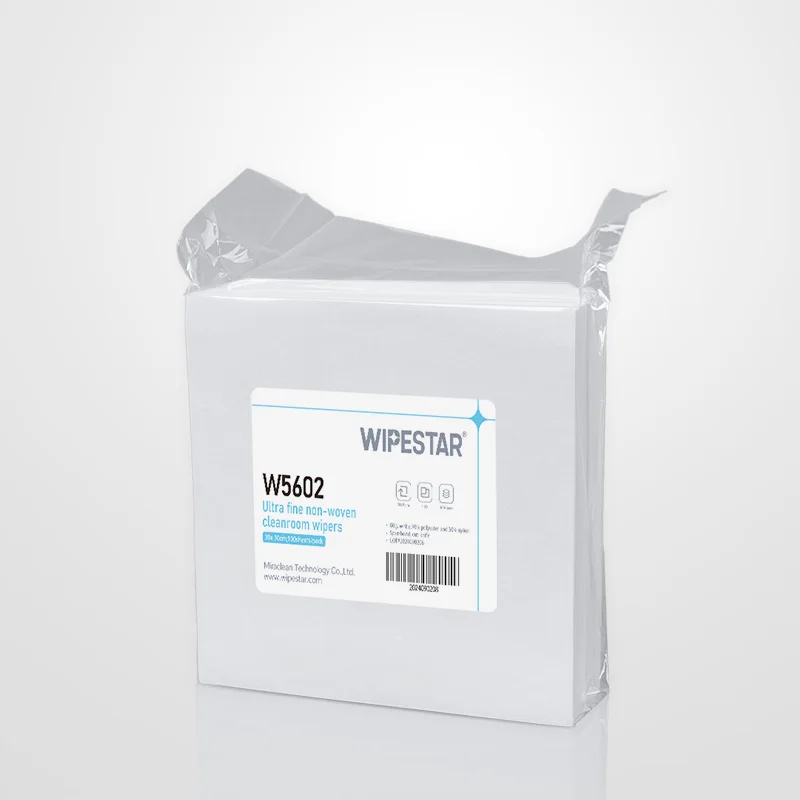
W5602 is a nonwoven microfiber wiper cut to 30 × 30 cm (12 × 12 in), with a cut edge. The ultrafine fiber web traps pa...
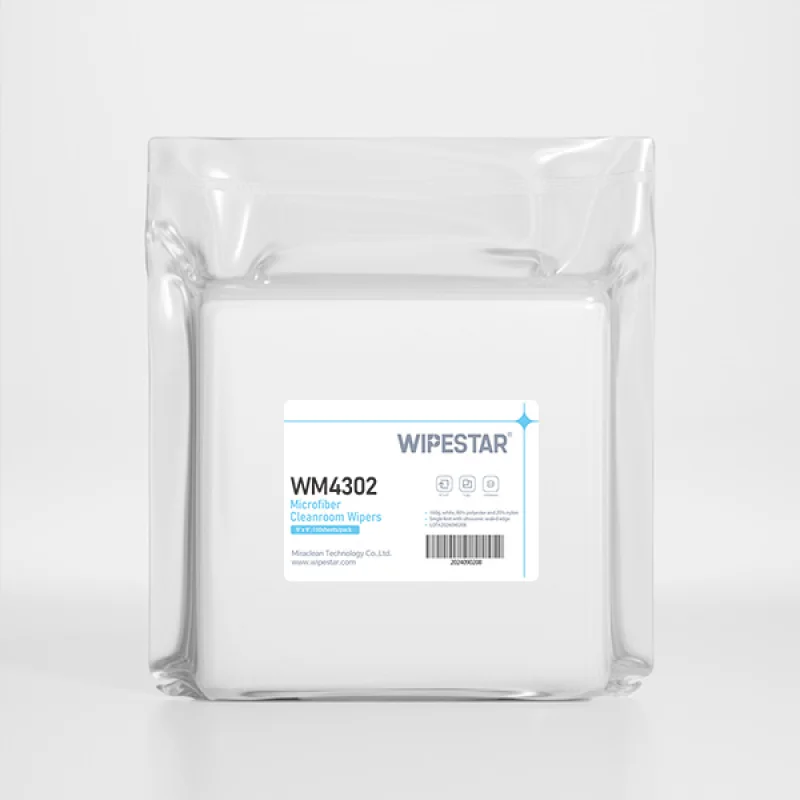
WM4302 is a single-knit microfiber wiper (80% polyester / 20% nylon), with an ultrasonic-sealed (wide border) edge. Th...
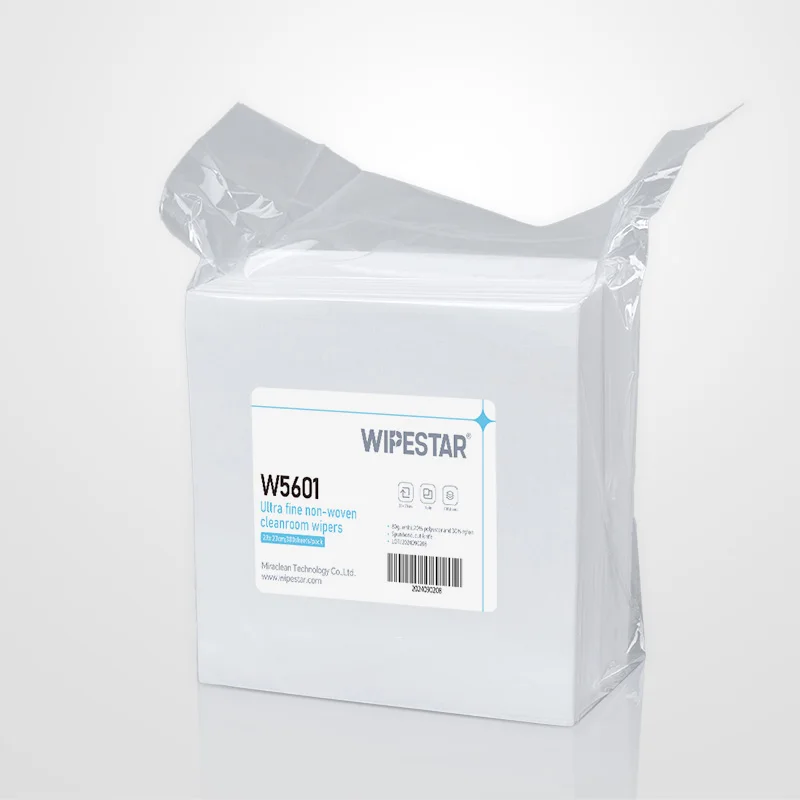
W5601 is a nonwoven microfiber wiper cut to 23 × 23 cm (9 × 9 in), with a cut edge. The ultrafine fiber web traps part...
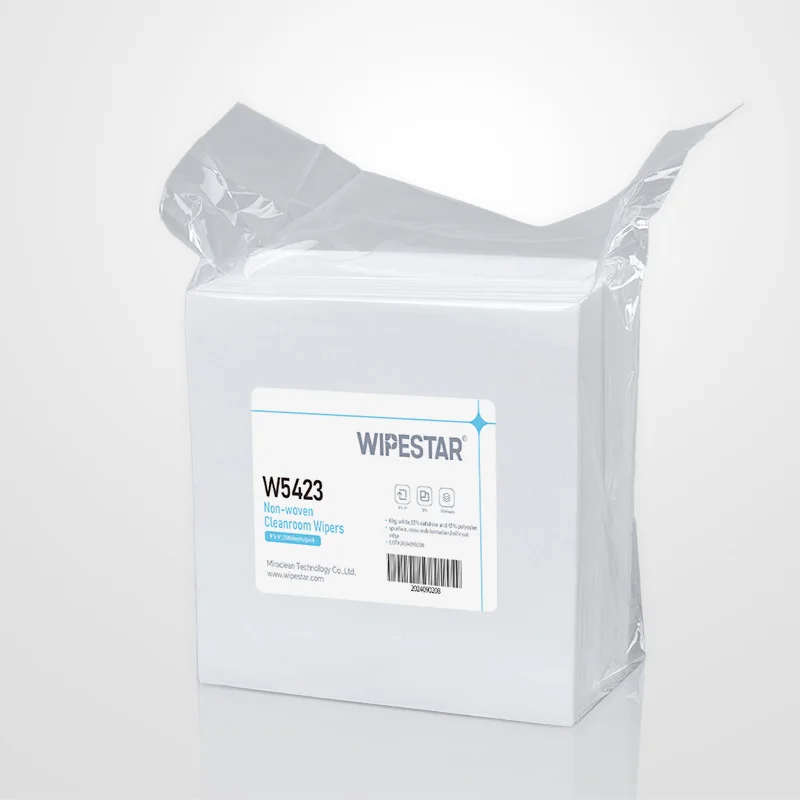
W5423 is a cross-lapped cellulose / polyester wiper cut to 23 × 23 cm (9 × 9 in), with a cut edge. The blend absorbs s...
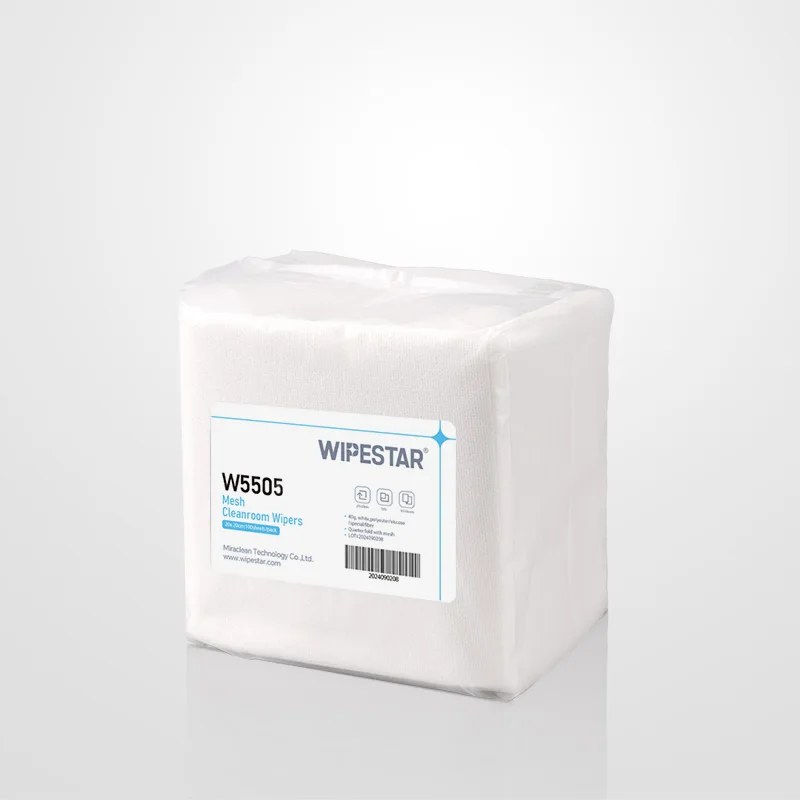
W5505 is a viscose/rayon mesh wiper cut to 25 × 25 cm (10 × 10 in), with a cut edge. The open mesh lifts dust and fine...
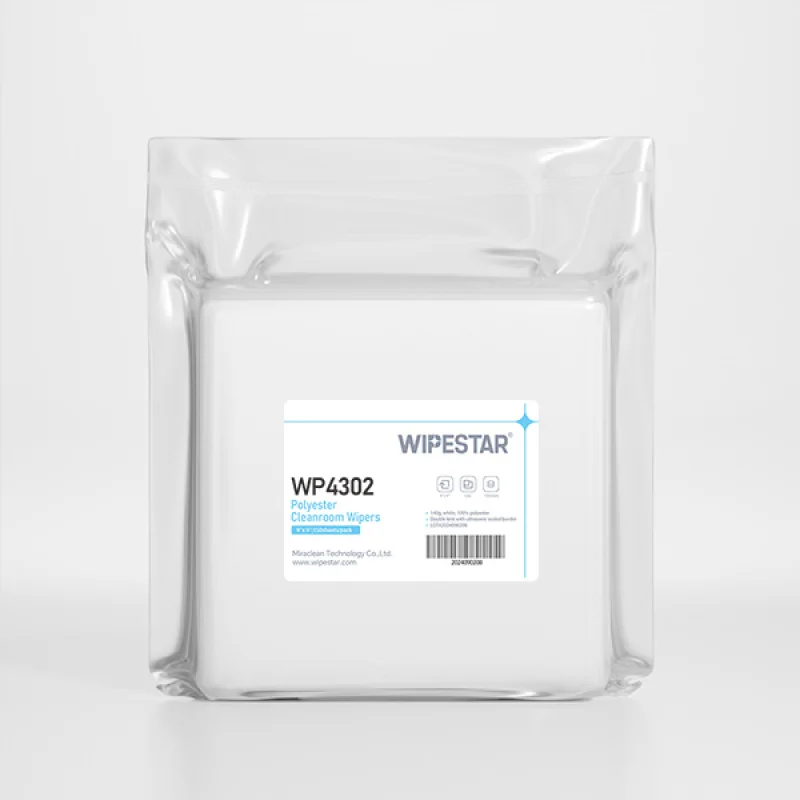
WP4302 is a double-knit continuous-filament polyester wiper, with an ultrasonic-sealed (wide border) edge. It is built...
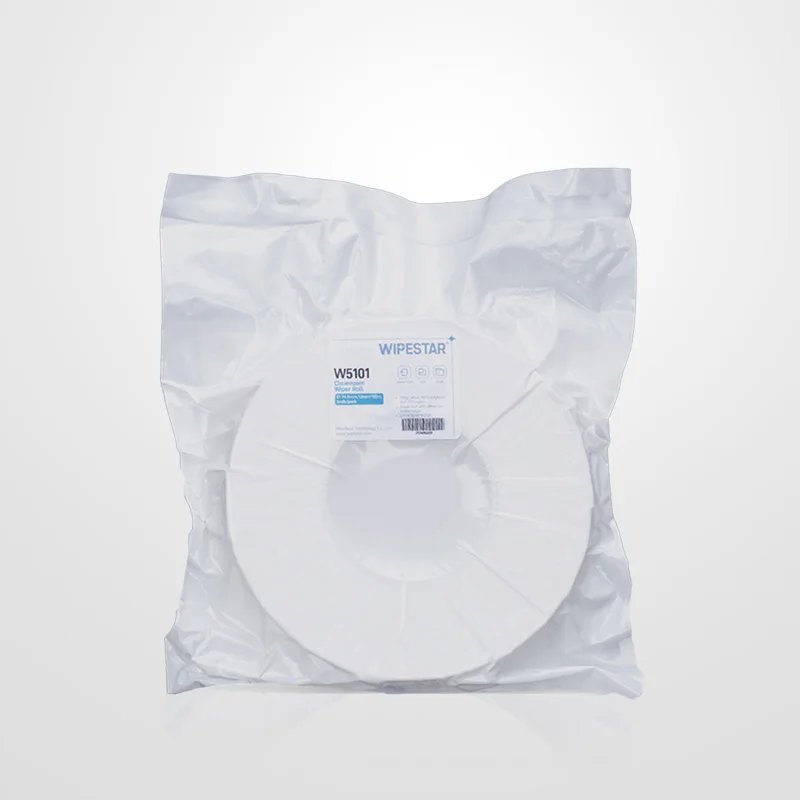
W5101 is a perforated microfiber roll for automated cleanroom cleaning. The 50 m roll (180 GSM) feeds from the machine...
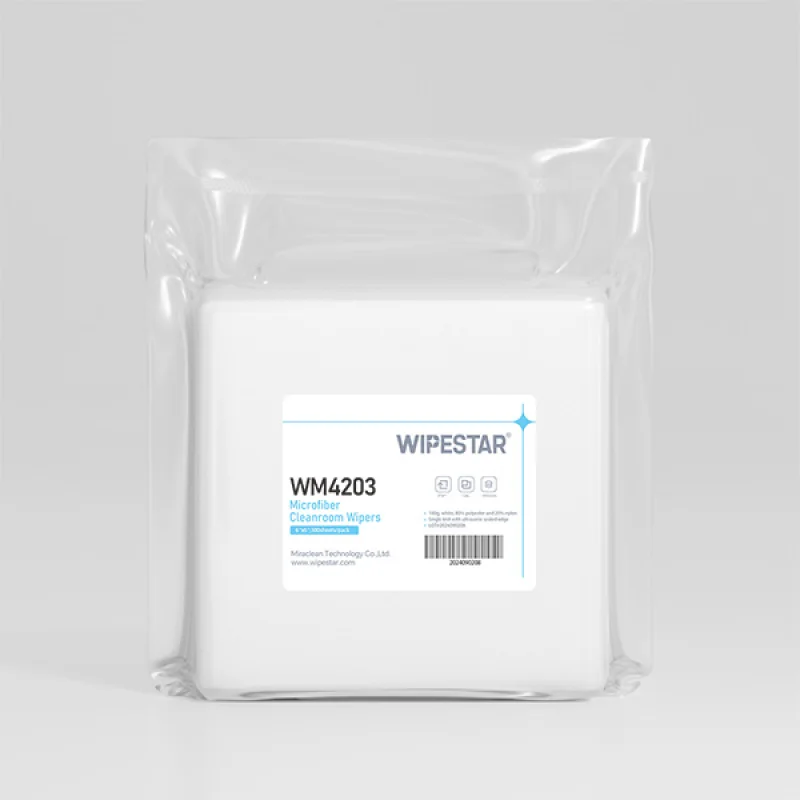
WM4203 is a single-knit microfiber wiper (80% polyester / 20% nylon), with an ultrasonic-sealed (narrow border) edge. ...
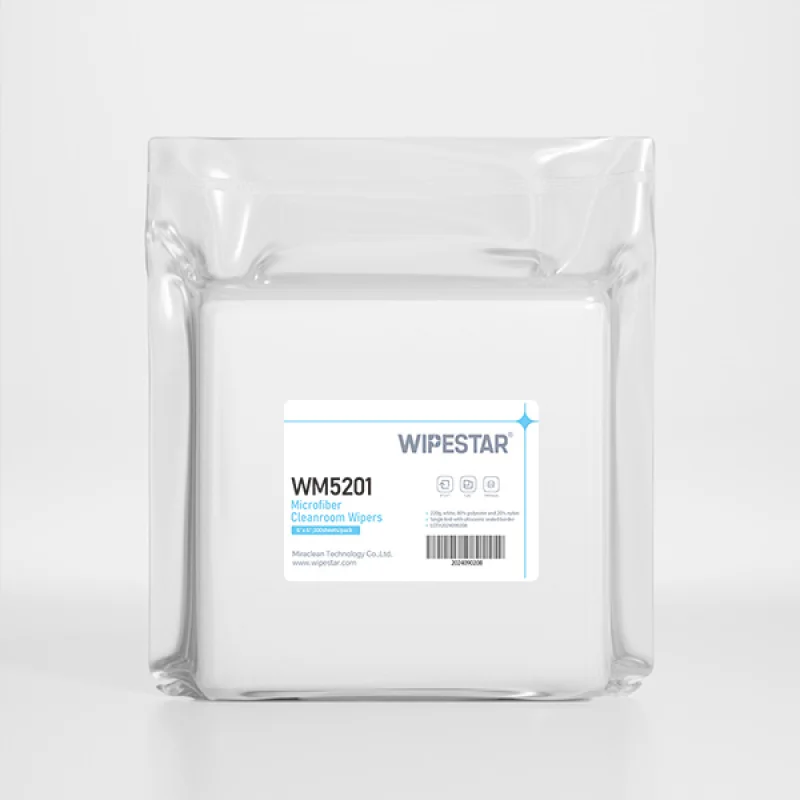
WM5201 is a single-knit microfiber wiper (80% polyester / 20% nylon), with a cut edge. The ultrafine fibers trap parti...
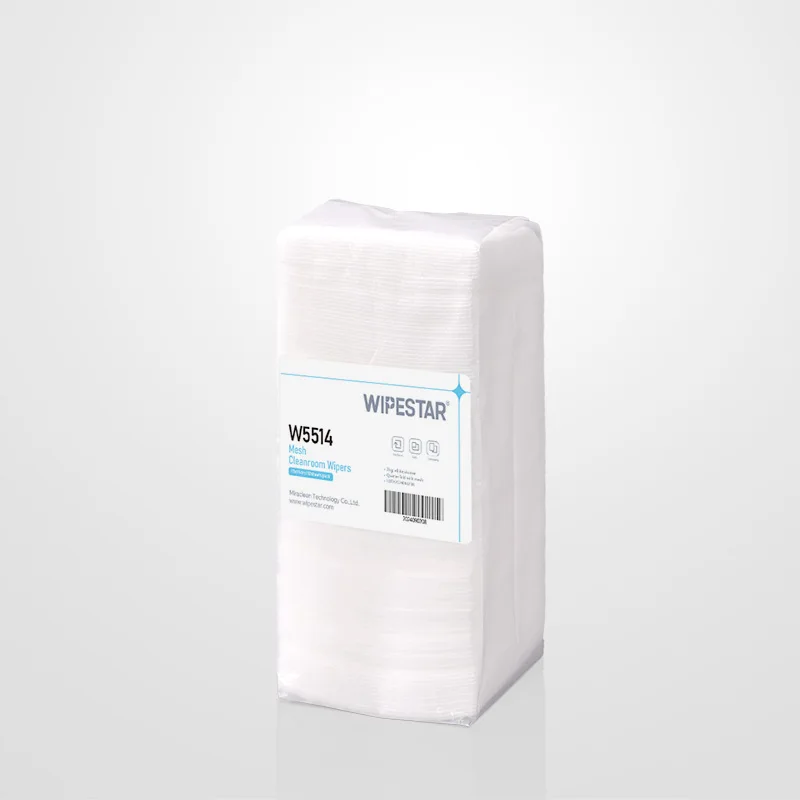
W5514 is a viscose/rayon mesh wiper cut to 15 × 15 cm (6 × 6 in), with a cut edge. The open mesh lifts dust and fine p...
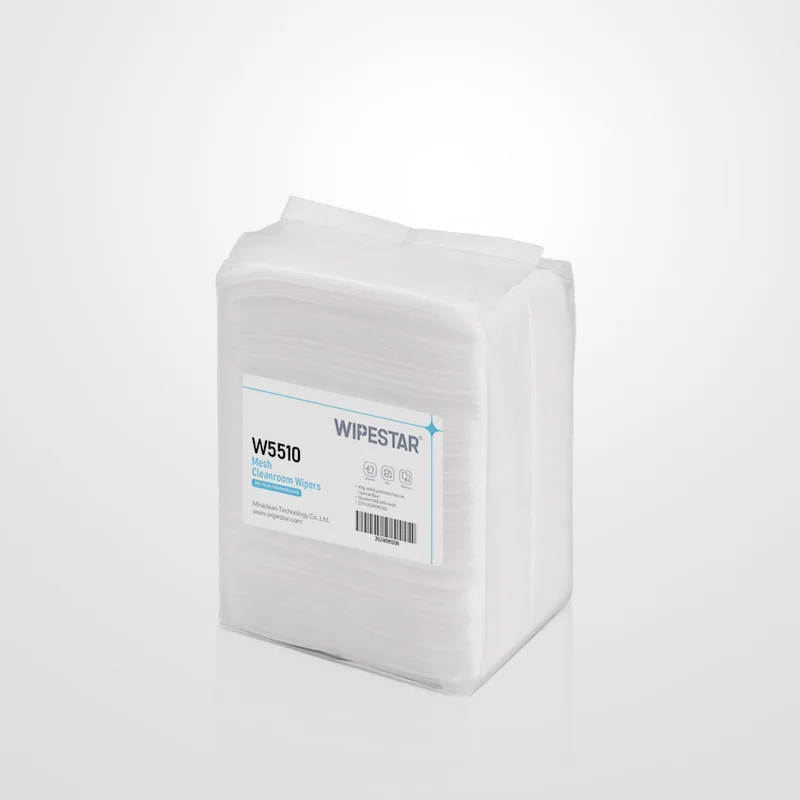
W5510 is a viscose/rayon mesh wiper cut to 20 × 20 cm (8 × 8 in), with a cut edge. The open mesh lifts dust and fine p...
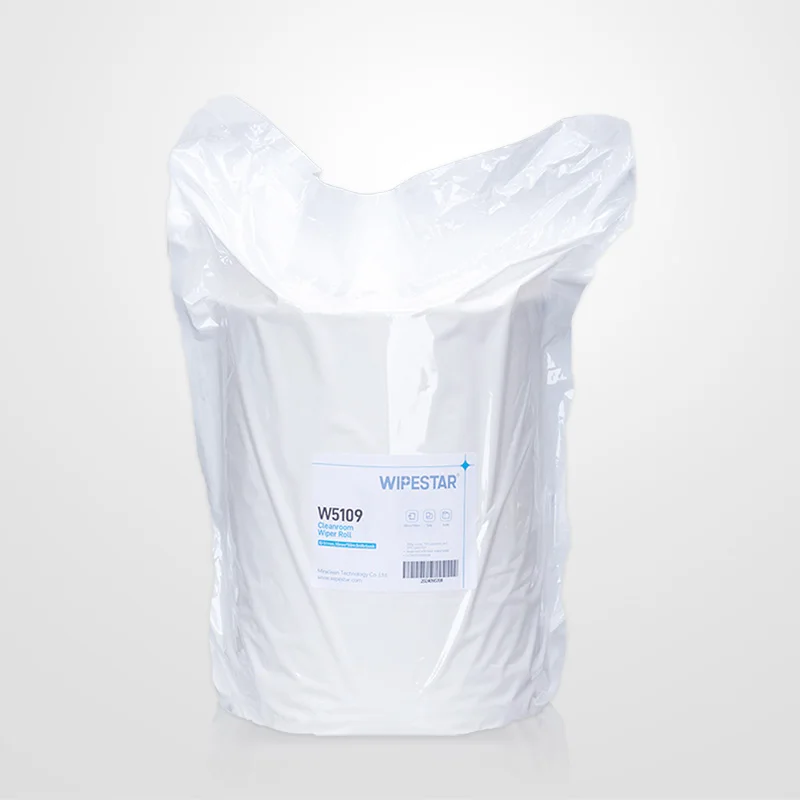
W5109 is a perforated microfiber roll for automated cleanroom cleaning. The 250 mm × 50 m roll (220 GSM) feeds from th...
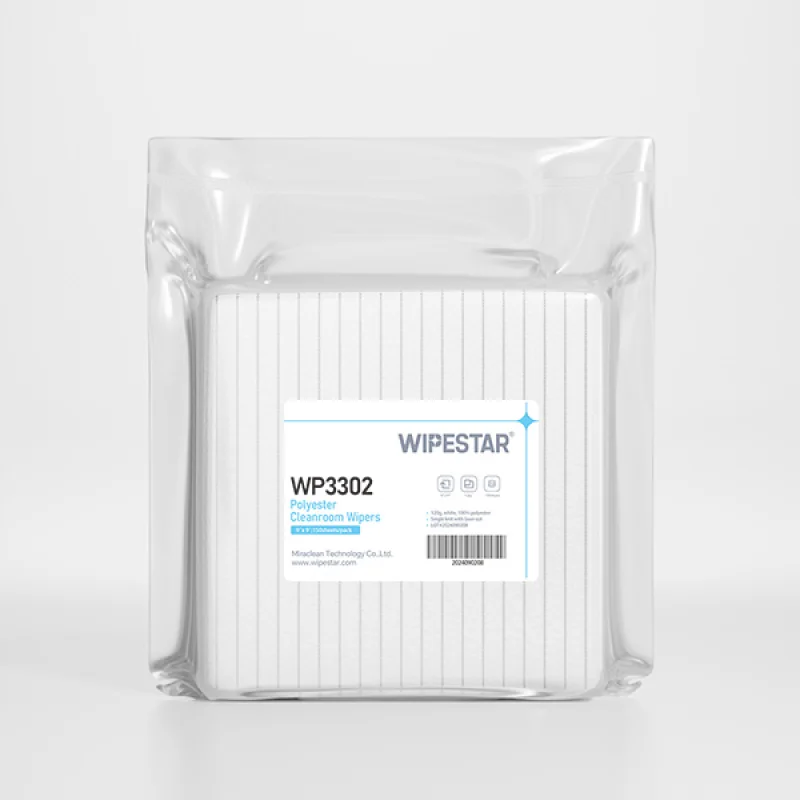
WP3302 is an ESD polyester wiper, with a laser-sealed edge. Static-dissipative fibers keep surface resistance in the 1...
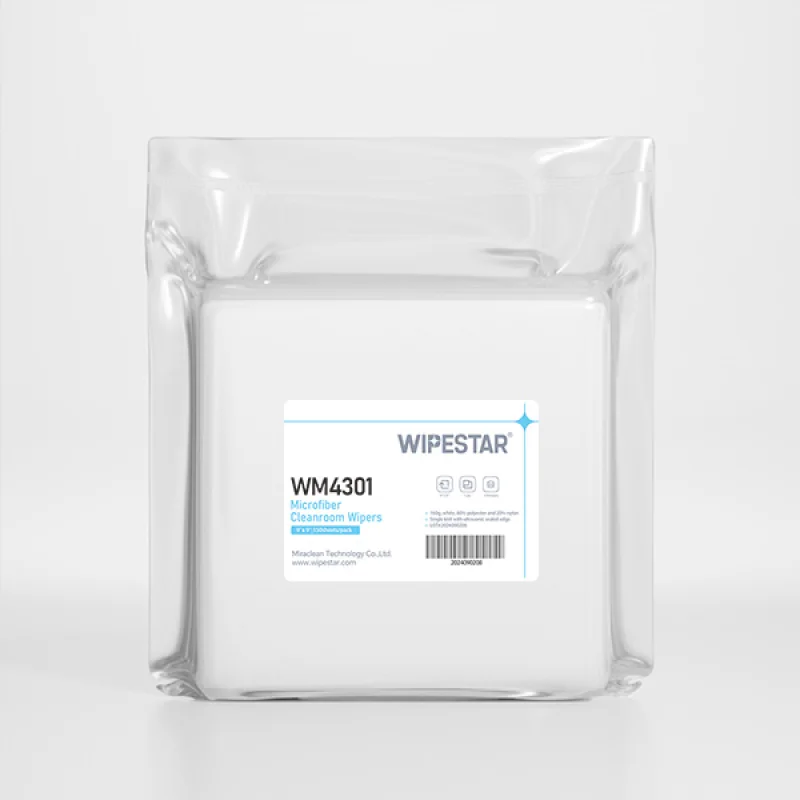
WM4301 is a single-knit microfiber wiper (80% polyester / 20% nylon), with a laser / ultrasonic sealed edge. The ultra...
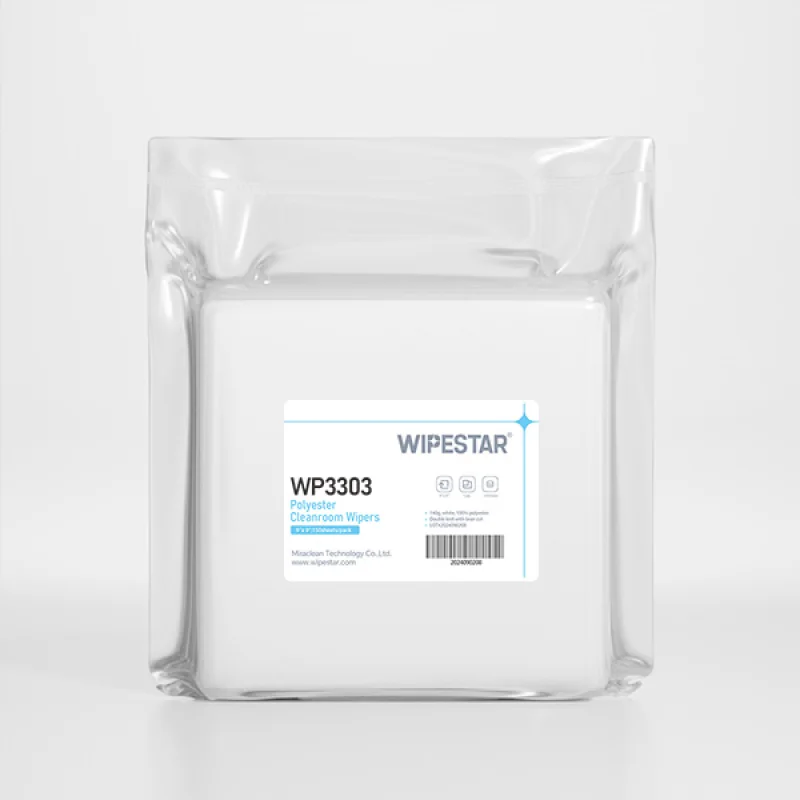
WP3303 is a double-knit continuous-filament polyester wiper, with a laser-sealed edge. It is built for low ion release...
Specifying cleanroom wipers
A cleanroom wiper is specified by the surface and the classification, not by the price per bag. The fiber decides what the cloth absorbs; the edge decides what it leaves behind.
ISO Class 3–5 work needs a sealed edge and documented particle, NVR and ionic data. ISO Class 6–8 can use a cut-edge cellulose or mesh wipe where the soil load is the main problem. If the room is classified, ask for the lot report before the sample.
Polyester and microfiber are for low-particle cleaning and solvent work. Cellulose/polyester is faster on grease and water-based soil. Mesh rayon lifts dust from textured surfaces. A microfiber that is wrong for the solvent is worse than a cheaper cloth that is right.
Flat sheets for benches and tool wipe-down; perforated rolls for automated cleaning; 4-inch and 6-inch formats for tight assemblies. The format should reduce handling, not add a step.
Selection notes
Four questions that decide whether the cloth belongs in the room.
Cut edges are economical for industrial wipe-downs and ISO Class 7–8 support areas. Laser, ultrasonic or heat-sealed edges lock the fibers in and are the correct choice for ISO Class 3–6, optics, medical devices and any surface where a stray fiber becomes a defect.
Grams per square meter describes the fabric weight, which drives absorbency, wet strength and hand feel. A 65 GSM rayon/polyester is soft and precise; a 140–200 GSM polyester holds more liquid and survives repeat use. GSM is a starting point — construction and edge finish decide the rest.
Yes. Stock lines can be combined across sizes and formats, and custom runs can include more than one SKU. MOQ is negotiated per construction rather than per carton.
Both. Cleanroom wipers are converted and bagged in ISO Class 4–6 workshops with particle, NVR and ionic data. Universal and heavy-duty cloths are built for industrial soil load, where absorbency and wet strength matter more than particle counts.
Specification support
Send the surface, the contaminant and the cleanroom class. We will shortlist two formats, send samples and quote both.
Direct line
+86-755-8961-6773 info@wipestar.comRoom 101, Building 1, Angeer Factory, No.4 Hetian Road, Shatian Community, Kengzi Street, Pingshan District, Shenzhen, Guangdong, China 518122