
Industry application
Wiping Cloths for Automotive Paint Prep & EV Assembly
Automotive cleaning has two very different failure modes: a particle under the clear coat, and a residue that stops an adhesive or a battery seal from bonding.

Paint shops, battery assembly and general assembly use different wipes for different reasons. Paint prep is about removing wax, oil and overspray without scratching the panel. Battery and adhesive assembly is about a clean, dry surface with no fiber or residue at the bond line.
The cost of the wrong cloth shows up downstream: a speck in the clear coat, a failed adhesion test, or a rework loop that costs more than the wipe budget for the line. The specification should start with the substrate and the coating, not with the cloth price.
01 Where the risk sits
Particles under the coating
A fiber or a dust cluster under the clear coat becomes a visible defect after curing. Sealed edges and a clean booth wipe reduce the load.
Oil and wax residue
A wipe that spreads oil instead of lifting it leaves a release layer that the paint or adhesive cannot grip. High-friction surface prep is the first pass.
Scratches on sensitive panels
A dry, coarse cloth on a soft panel leaves a scratch trail that polishing may not remove. Ultrasoft wipes are for the finish-sensitive surfaces.
02 Specification
- Material
- High-friction cellulose/polyester; ultrasoft rayon/polyester
- Edge
- Cut edge for prep; sealed edge for coating areas
- Cleanroom class
- Paint booth / controlled areas; ISO 7–8 where specified
- Format
- 12 × 12 in prep wipes, 9 × 9 in finish wipes, rolls
03 Recommended wipes
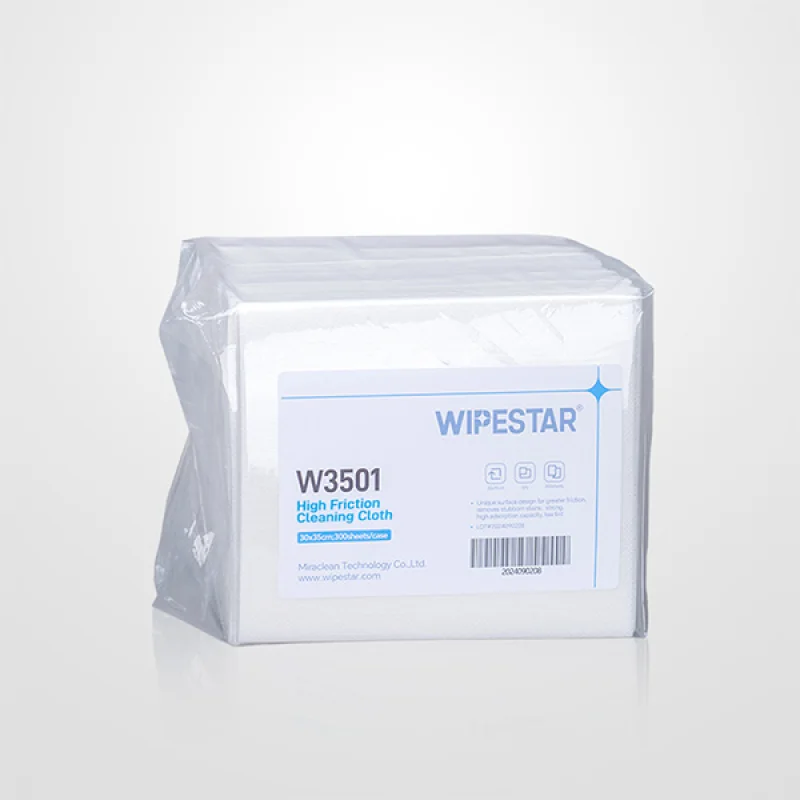
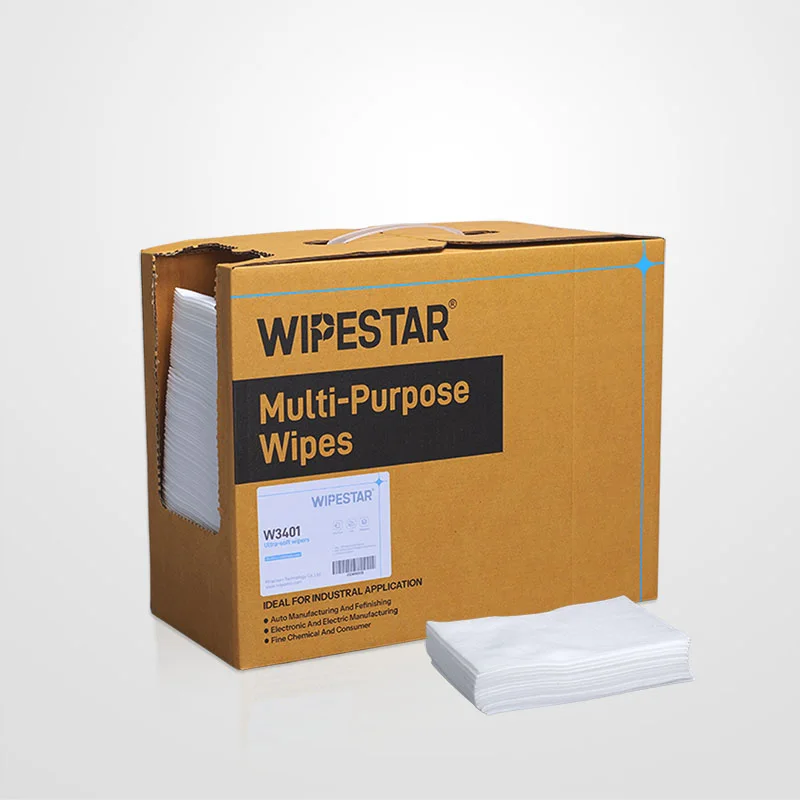
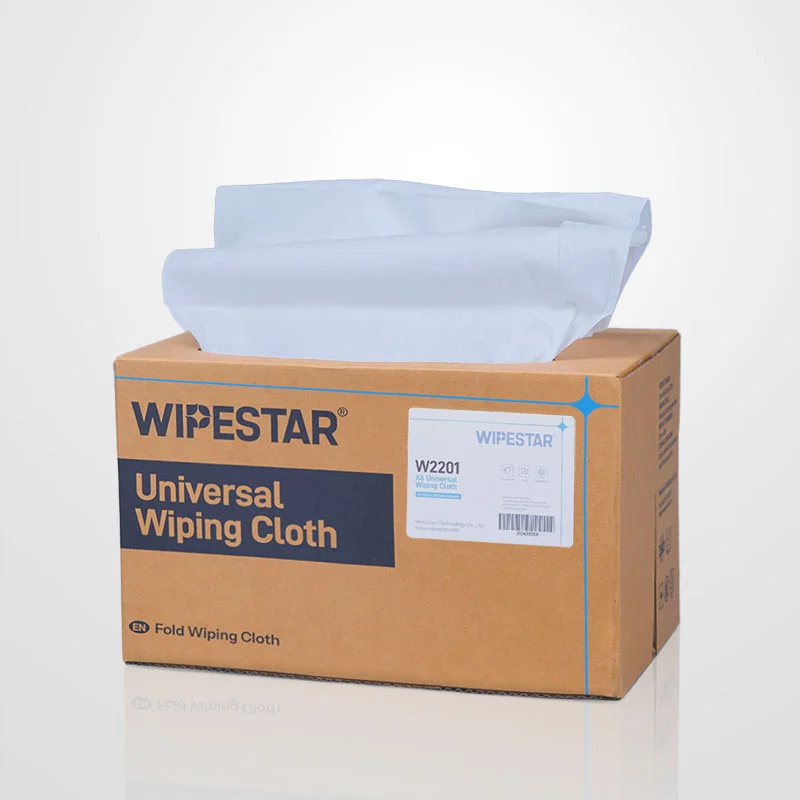
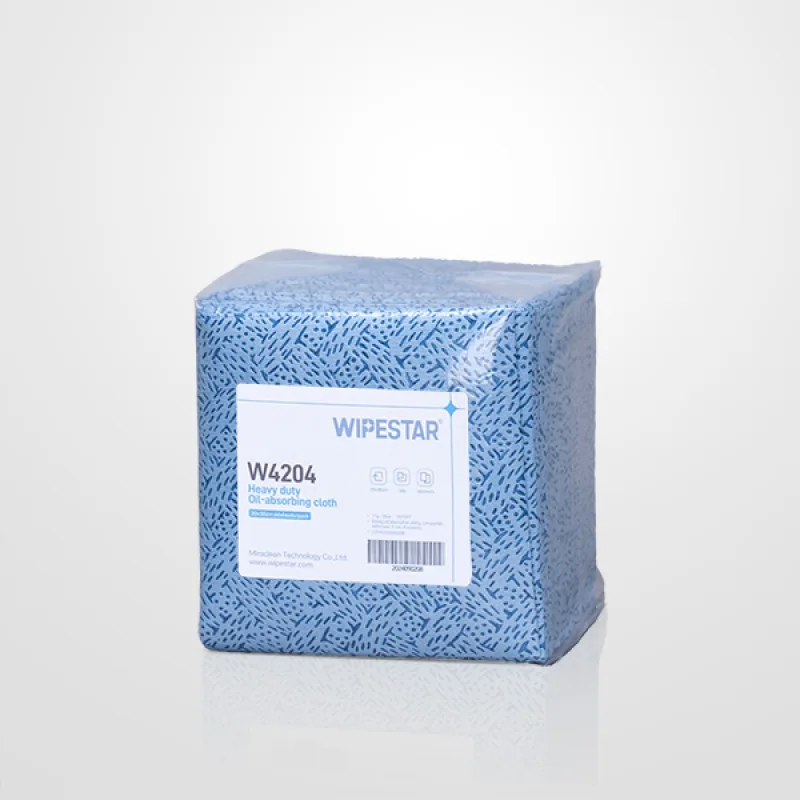
04 Cleaning protocol
Remove the heavy soil first
Use the high-friction wipe for wax, oil and overspray. Change the cloth before it becomes a smear tool.
Finish with a soft cloth
Follow with an ultrasoft wipe on glossy or soft panels. The second pass is about residue and scratch control, not absorbency.
Inspect under raking light
Check the panel at a low angle before coating. A defect that is invisible under ambient light will show up after curing.
Keep the booth clean
Do not carry a dirty wipe from the prep area into the booth. Use a fresh cloth and a clean bag.
Tack before coating
Use a tack cloth for the final dust pass. The prep wipe is not a substitute for the tack step.
05 Frequently asked questions
Start with W3501 high-friction surface prep for wax, oil and overspray, then finish with W3401 ultrasoft on sensitive panels. Confirm the solvent with the paint supplier.
Use a low-lint, residue-controlled wipe for the bond area. A general paint-prep cloth may leave a release residue that interferes with the adhesive.
Yes. Universal and surface-prep formats are available in rolls and flat packs. Tell us the line width and the dispensing method.
Start with a sample

