
Industry application
Wiping Cloths for Printing & Coating
Printing cleaning is a solvent problem wrapped in a lint problem. The wipe has to dissolve ink and fountain solution without leaving fiber on a roller or a printhead.

Press rooms, coating lines and digital print shops use wipes on rollers, blankets, printheads, ink pans and doctor blades. Each surface has a different solvent and a different sensitivity to abrasion.
A low-lint cellulose/polyester or a soft microfiber is the usual choice. The cloth has to hold the solvent long enough to dissolve the ink, then release the soil without smearing it back onto the roller.
01 Where the risk sits
Lint on the roller
A paper towel or a cut-edge cloth leaves fiber that transfers to the substrate. The defect may not appear until the next print run.
Ink smeared back
A loaded cloth spreads ink instead of lifting it. Turn or replace the cloth before it becomes a distribution tool.
Printhead damage
A stiff or dry cloth on a printhead can scratch the nozzle plate. Use a soft wipe and the approved cleaning fluid.
02 Specification
- Material
- Cellulose/polyester, soft microfiber
- Edge
- Cut edge for general press work; sealed edge for printheads
- Cleanroom class
- General industrial / controlled areas
- Format
- 9 × 9 in, 12 × 12 in, rolls for press lines
03 Recommended wipes
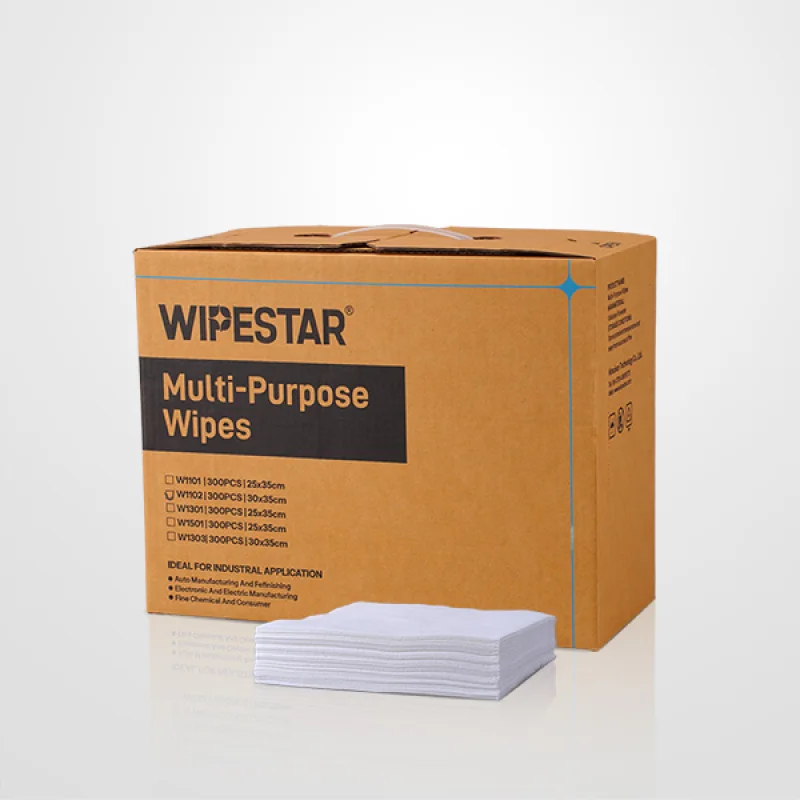
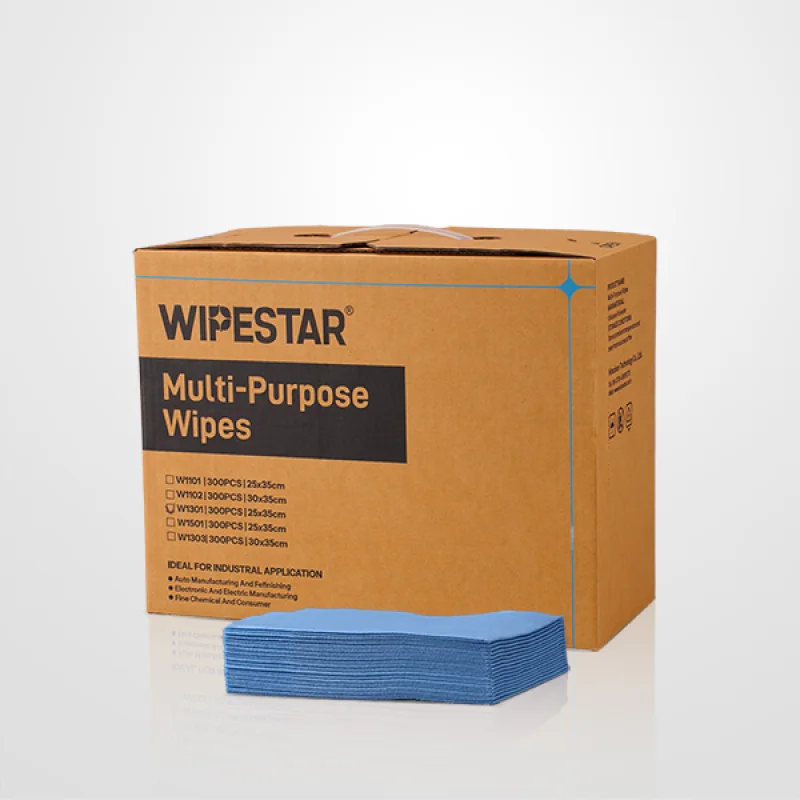
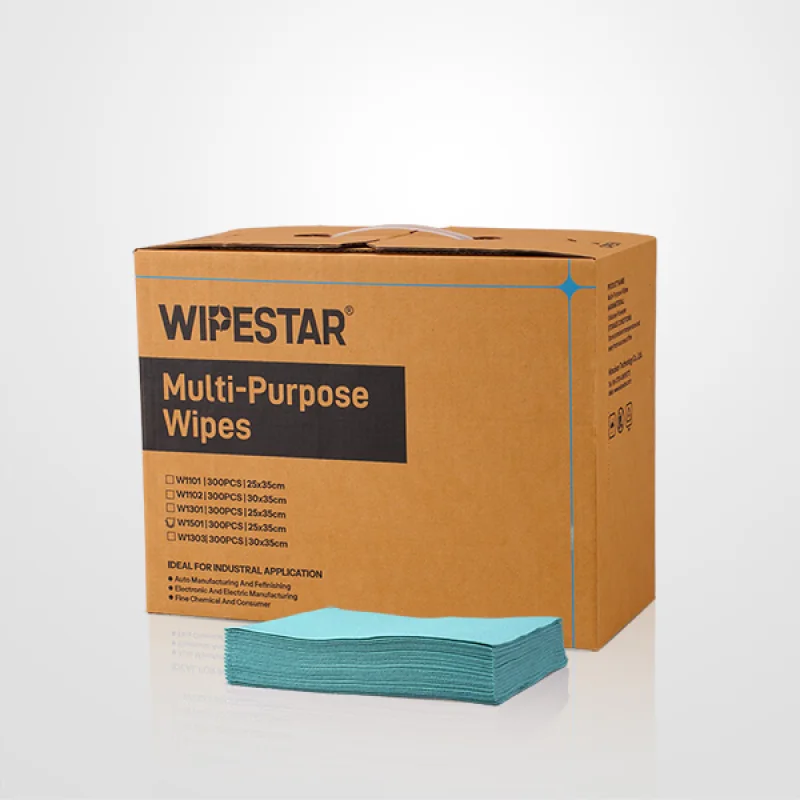
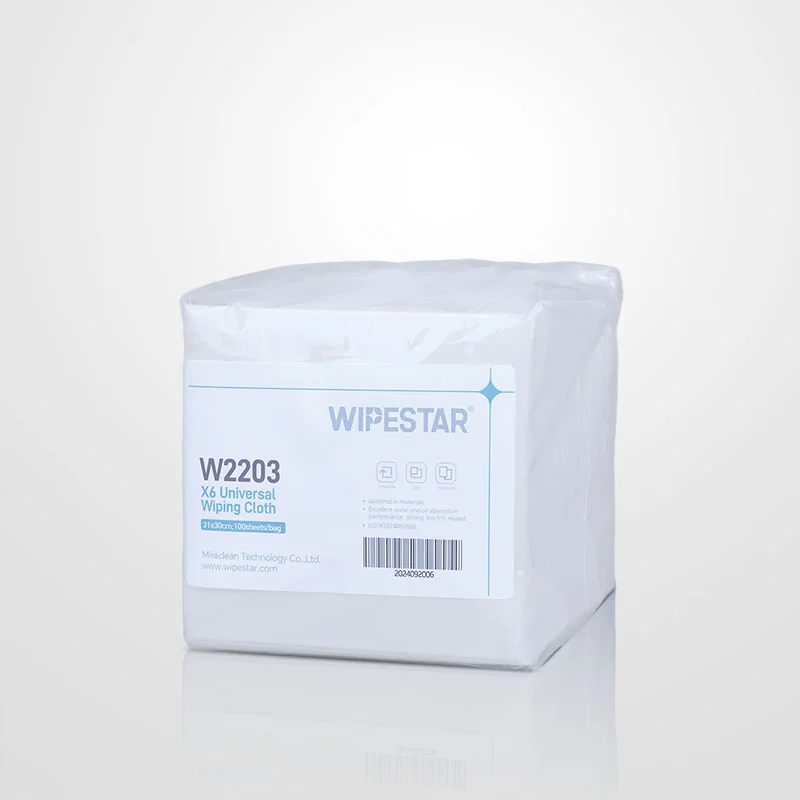
04 Cleaning protocol
Remove the bulk ink
Use a scraper or a dedicated rag for the bulk, then finish with the wipe. A wipe is not a shovel.
Use the right solvent
Match the solvent to the ink system. A solvent that is wrong for the ink can set it instead of dissolving it.
Wipe the roller in one direction
Work with the rotation, not against it. A back-and-forth motion drives ink into the roller surface.
Finish dry
A dry pass removes solvent and prevents a film that attracts dust.
Check the first sheets
Run a few sheets and inspect for lint and ink streaks before the full run.
05 Frequently asked questions
A soft microfiber or a low-lint cellulose/polyester with the approved cleaning fluid. Avoid dry, stiff cloths on the nozzle plate.
Use a fresh cloth for each surface. A cloth loaded with ink from a roller should not go onto a blanket.
Yes. Rolls and flat packs are available; tell us the press width and the dispensing method.
Start with a sample

